

Understanding Pain: What It Means and How to Respond
Whether its thigh muscle pain several days after a long, hard run or acute pain below the knee when descending a steep hill or in a deep squat. Pain can be scary especially when it’s not going away or when you don’t know why you’re experiencing it. The purpose of this post is to discuss a bit more about why we experience pain and how to listen to it.
A Story About Why Active Problems Require Active Solutions.
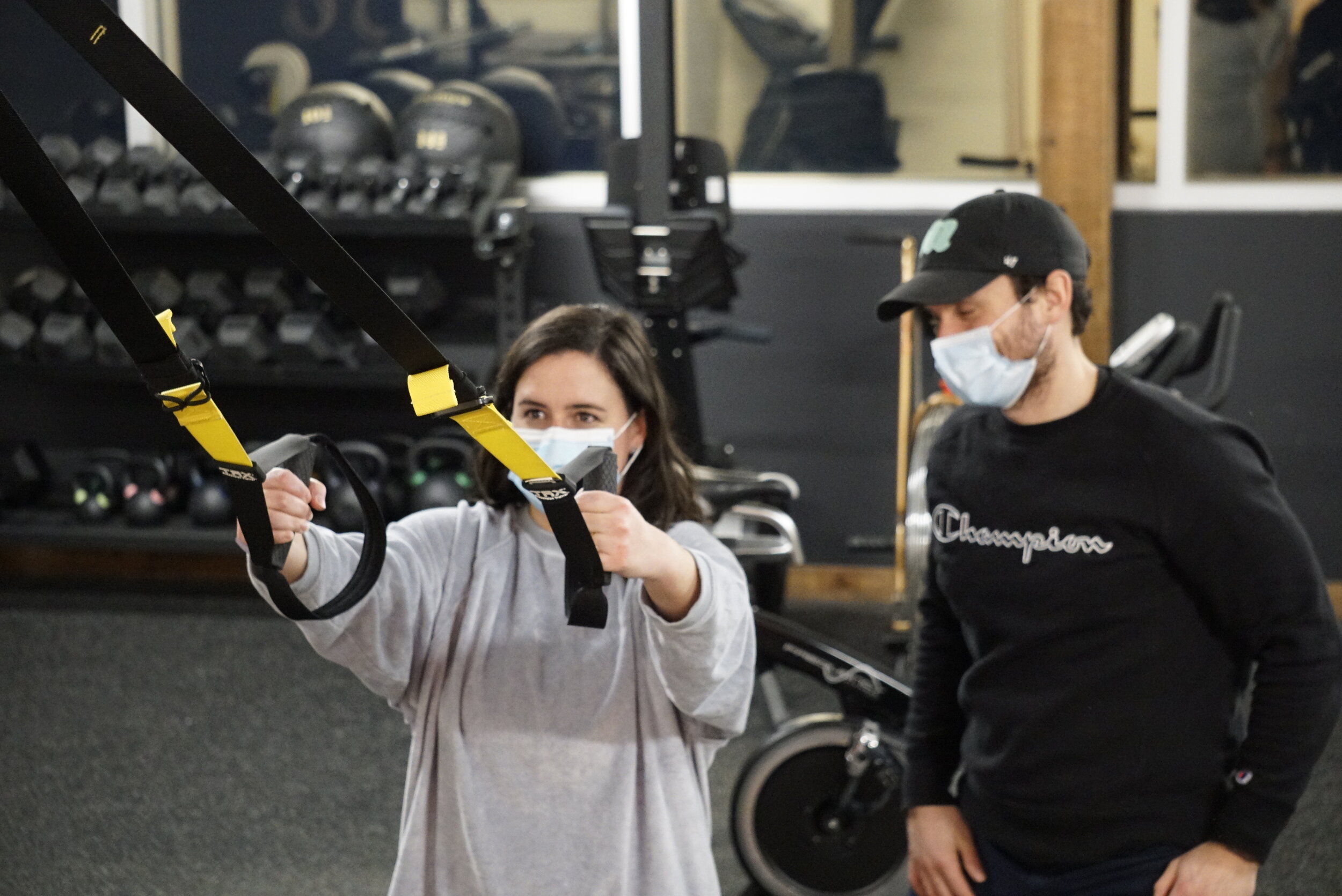
Client ‘X’, we’ll call her Jane, was an experienced runner who was dealing with pain in the back of her thigh. This had been going on for months and was at the point where she was having difficulty walking let alone running. Like many of our other clients, she was confused and frustrated. Confused because she was trying to address the problem by seeing a physiotherapist and frustrated because she wasn’t able to do what she loved. She had been following us on instagram, attending our webinars/workshops, and noticing that we were preaching a different approach. Enough was enough and she came to see one of our physiotherapists for an assessment. Like many of our clients, Jane was incredibly motivated to get back to what she loved and wasn’t afraid to work hard. The issue wasn’t motivation, effort, or desire, the issue was a lack of an effective, targeted plan. Namely, Jane was missing an active plan, and we have a saying here at The Movement…
How We Approach Back Pain
Let’s address the elephant in the room, there is no magic cure for low back pain. What we know is that it’s common, it’s almost like the common cold in that it comes and goes and sometimes we don’t know why. The good news is that in the vast majority of cases, it resolves independent of treatment approach within 6-8 weeks. With respect to the causes and contributing factors, there are many! One cause that may feel familiar to you would be tissue issues like muscle strains, joint irritation, discogenic low back pain, etc. However, it’s not always possible or necessary to know whether these tissues are affected in your situation. Some things that may not make as much sense can include stress, lack of sleep, worry, anxiety, past experiences, mood, hormones, and a host of other things besides an unhappy tissue. Lot’s of things could be going on when you have back pain, and it’s rarely if ever one thing.

6 Reasons Why the Scale Can’t Be Trusted.
As a dietitian, I see many people that associate the number they see on the scale with health and how their nutrition or workout plan is working. FACT: the number on the scale does not reflect health or changes in body composition. The first thing I need people to accept is that our bodies come in all different shapes and sizes. Many of us hold a lot of value in how small we can make our bodies look, and that is partnered with a number we see when we weigh ourselves.

How to Spot a Good Nutrition Plan
All that said, instead of focusing on the plethora of reasons that fad diets are not something that I as a Registered Dietician recommend, this article is going to emphasize some key components of a plan that will set you up for success both physically and mentally.
Prepare for the long haul
Make sure your plan is Individualized
Make sure your plan is sustainable
A well balanced plan for long term weight loss and health
How to Get The Most From Your Recovery.
Whether you’re dealing with an acute injury, something more persistent, or something that comes and goes, working with a physio can be beneficial to guide you towards your goals with a little more precision. One of the most important things to understand about seeing a physio to help you with your recovery is that it is not something that is done to you. Rather, recovery is a process that is shared between you, your physio, and everyone else in your life. In essence, this means that there is plenty that you can do on your end to facilitate optimal recovery. The purpose of this post is to provide you with an understanding the things that we feel increase the chances of having a successful recovery.

5 Common Myths About Physio
There are endless misconceptions surrounding physio…what it is, when to see a physiotherapist, what’s involved, the list goes on and on. Partly, this is our fault as a profession, we haven’t done the greatest job of marketing what our value is for you and your health. In this blog, we’re aiming to highlight some of the main misconceptions around physio in order to clarify how we can help you a little bit more clear.
3 Takeaways From My Half-Marathon
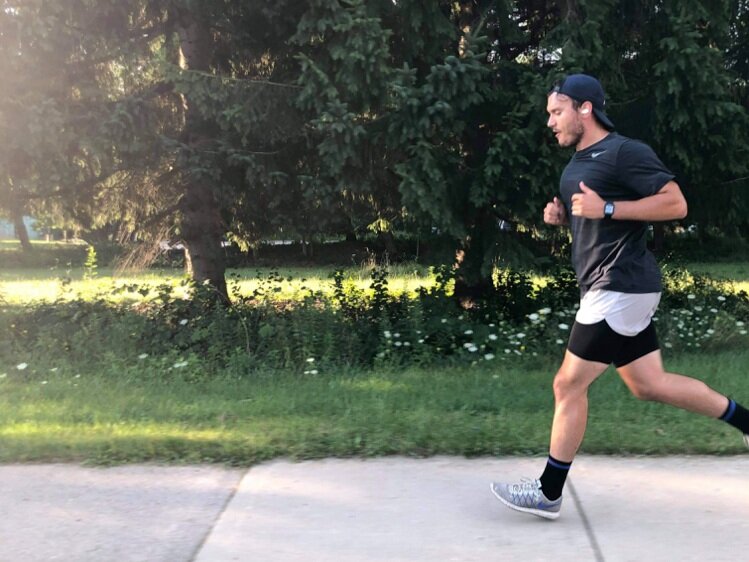
For those of you who follow us on Instagram, you may or may not have stumbled across a few ‘Post Run Thoughts With D’ as I was training for my most recent half-marathon. I wanted to notify you that I survived and also hit a personal best time of 1 hour 52 mins! My first ever half-marathon was in 2017 which I finished in 2 hours 1 min. So I am pretty stoked about my improvement. I wanted to share 3 takeaways that I learned from my half-marathon…they may not be what you think.
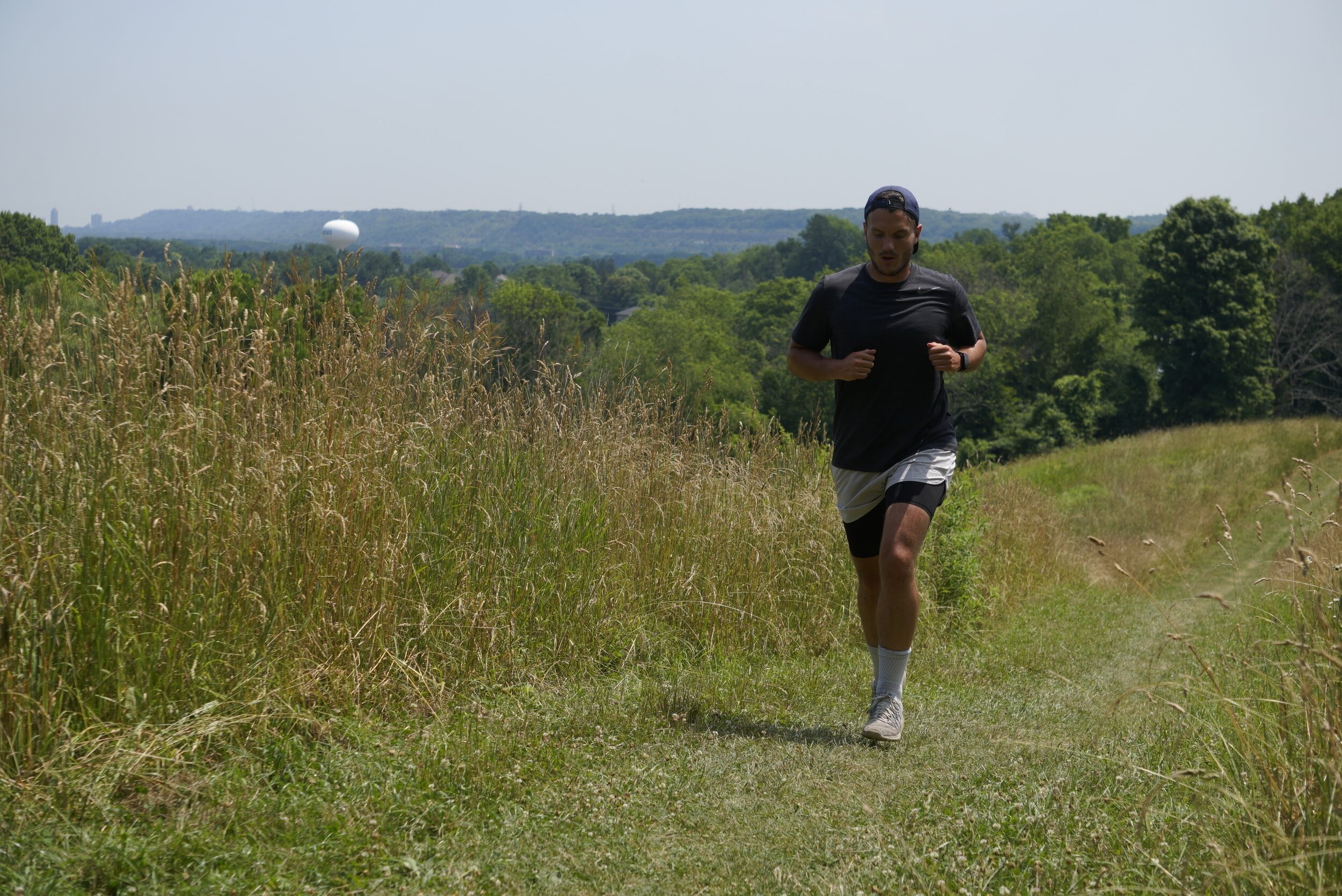
How to Safely Return to Running After Injury
Many runners who've experienced an injury are familiar with the all too common rollercoaster ride of rest and re-aggravation. Clinically, I’ve seen this in soft tissue conditions like patellar tendinopathy, achilles tendinopathy, and plantar fasciitis and all too commonly in bone stress injuries. At The Movement Physio & Performance we believe that rest is rarely best but in the remainder of this post I’m going to outline some of the keys that I’ve identified throughout my personal and professional life for a safe and efficient return to running.

An Intro to Blood Flow Restriction Therapy
Blood flow restriction training (BFR) involves the application of specialized blood pressure cuffs to the limbs during exercise. It has been shown to simulate the systemic effects of high intensity exercise at very low intensities. At The Movement Physio & Performance in Dundas we use BFR with many clients including those that are post-operative or are unable to load heavily due to high irritability. Learn more in this article.
The Benefits of Virtual Physiotherapy!
With social distancing being the new norm for the known future, we are continuing to manage our caseloads with a “hybrid” approach to care. This involves the skilled incorporation of both in-person and virtual care to minimize exposures and maximize outcomes. For anyone concerned about exposures we are continuing to offer virtual care as we recognize that self-managing injuries can be an overwhelming hill to climb, and it is never fun feeling like you have to put your goals on hold. Virtual physiotherapy allows you to immediately start on the path towards getting back to what you love and crushing your goals.

Paris to Ancaster - Reframing Training During COVID-19
On June 13, 2020 we collaborated with Paris 2 Ancaster to bring together a panel of experts to discuss cycling and training in the times of COVID. Many of us who use races as targets to build our training around have run into a hurdle with the cancellation of races, closure of gyms, and having to adapt to the new normal. A common thread that ran throughout the webinar was looking for the silver linings in this situation.

5 Common Running Myths Put to Rest
Myth#1 Running is Bad for your Knees
Myth#2 You Have to Stretch Before You Run
Myth#3 Strength Training is NOT useful for Runners
Myth#4 The Right Shoes Prevent Running Injuries
Myth#5 Every Run HAS to be Hard

Why We Started The Movement Physio & Performance.
Our mission is to empower people to take control of their own health. Physiotherapy is often seen as a place to focus on relieving pain and as a society we tend to view going to physio as a place where you will be less than you were before. We believe it can be more than this, we want to prove to you that by learning about your body, you will be empowered and can come out of physio performing just as well if not better than you were before.