

Physiotherapy for Low Back Pain
in Dundas and Brantford
Physiotherapy For Chronic Nagging Low Back Pain
Request a call with our client experience manager to see if we can improve you low back pain and help you take control of your health
The Benefits of Physiotherapy For Low Back pain


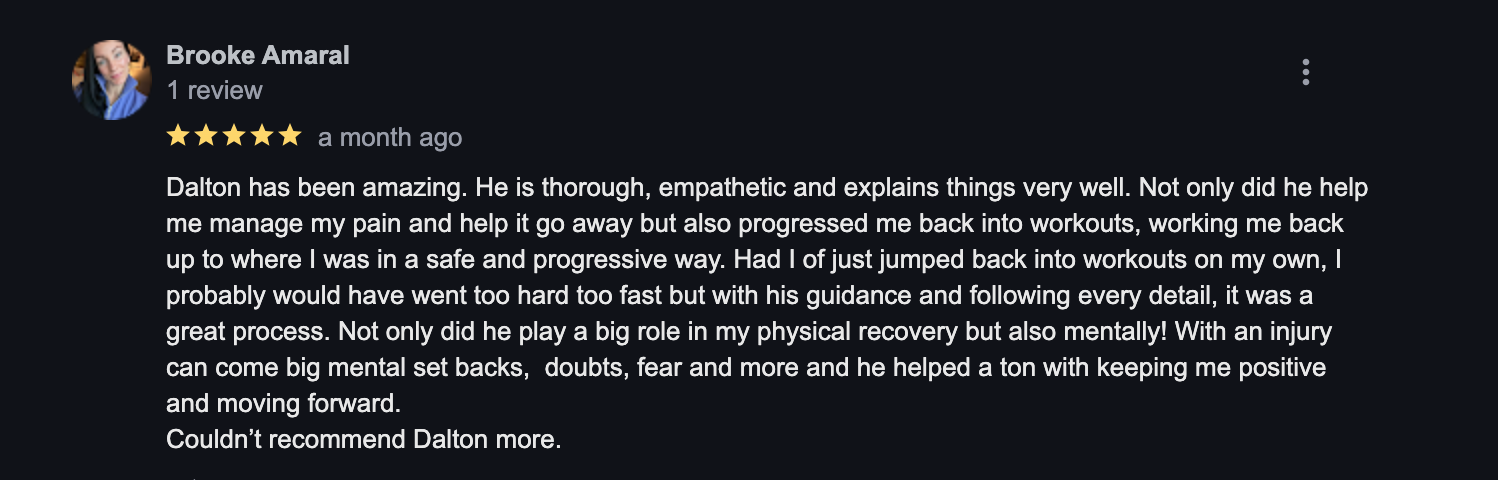
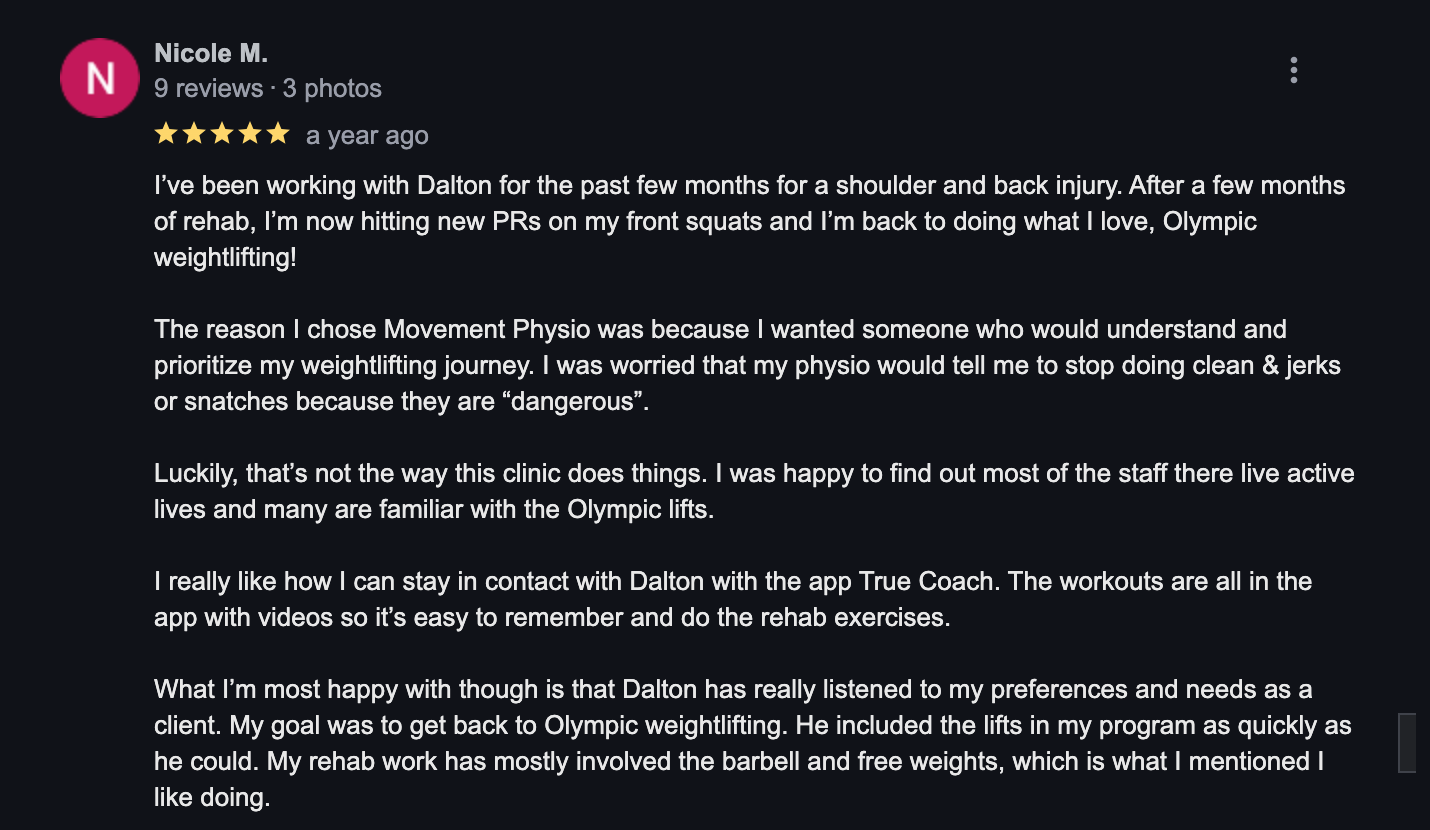
Calm It Down
Our Physiotherapist use a combination of education, movement, and exercise to help to reduce pain and identify an entry point to building you up
Build It Up
Our Physiotherapists will provide you with an individualized progress loading program to help build up the tissue tolerance of your low back pain to prepare it to meet the demands of your goals

Bridge The Gap
Our Physiotherapists have a strength & conditioning background to make sure you are training with the right intensity and can bridge the gap between your rehab and performance
Specific back and spine conditions that we treat
Degenerative disc disease
Disc bulges
Disc herniation
Chronic back pain
Low back pain
Lumbar sprains and strains
Non-specific back pain
Nerve compression
Pinched nerve
Post-operative rehab
Sciatica
Scoliosis
Slipped disc
Spinal stenosis
And more!
Physiotherapy in state -of-the-art training facilities
We’re The Movement, a team of passionate clinicians serving you in Dundas and Brantford! Alongside our extensive clinical practice we enjoy applying ourselves as educators and connectors in the broader physiotherapy field. But we want to impact the local community, which led us to The Movement. As clinicians, we’re passionate about promoting an active lifestyle and helping people thrive in the activities that drive them.


Free Low Back Pain Resources


Physiotherapy
FAQs
Does insurance pay for physio?
Insurance coverage for physiotherapy will depend on your specific plan, but typically your insurance company will cover a portion of physiotherapy or a specific dollar amount. We are an out of market clinic, which means we do not bill your insurance company directly. Now, the process is very simple to submit to your insurance and we will provide you with your invoice after each appointment.
Do I have to book for ‘BFR/manual therapy/exercise’ physiotherapy treatment?
The short answer is no, these are all included within a physiotherapy session! All of these treatment modalities are used on an individualized basis depending upon your injury and current state of recovery.
What is a physio appointment like?
Our first session is an assessment which typically takes about an hour in length. In the assessment, we have an in-depth discussion to discover the root causes of your injury and confirm this with a detailed movement exam before we outline a comprehensive treatment plan. Our follow up sessions are either 45 minutes or 1 hour depending on your individual need. During these sessions, we will have enough time to recap what has occurred since the previous session, re-evaluate any movements, progress your treatment plan and exercise program, and provide you with the next steps in your recovery.
What do I wear to physio?
It is important to wear loose clothing that you might wear to a gym. At The Movement, we believe that movement, training, and loading at physio is necessary so that you can develop preparedness to engage in what you love and reduce the risk of your injury coming back.
Do I need a referral for physio?
Physiotherapists are direct access health care providers which means that you DO NOT require a referral to see a physiotherapist. We are trained to screen for issues that require further medical investigation and are trained to determine whether your condition is manageable with physiotherapy. We work closely with all our clients’ family doctors and allied health professionals to ensure the fastest recovery possible.
Does The Movement have sports therapy?
Yes! All of our physiotherapists are athletes themselves and are passionate about helping people achieve safe return to sport and perform optimally. At The Movement we have ~1000 square feet of gym space, with the equipment needed to prepare you for your sport. We always run batteries of testing to ensure we are confident about returning to sport, and encourage direct communication with coaches to facilitate this process.
How do I know if my issue is ‘bad enough’ to see a phyiotherapist? I don’t want to waste anyone’s time
No issue is too small or insignificant. The truth is if it is interrupting your lifestyle in any way or you are feeling uncertain about what is going on, then there is value in getting a physiotherapy assessment to gain confidence in the diagnosis and have a detailed management plan. We advocate for this pro-active approach because issues left to linger tend to become more complex with time.
What is pre-habilitation?
Pre-habilitation begins with a detailed discussion identifying the demands of your lifestyle, sports and/or career and is then followed by a thorough movement screening. The movement screen is used to dive deep into the specific demands of your passion activity and develop a comprehensive plan to maximize your potential and reduce the risk of injury in the future. We often identify partially rehabilitated historical injuries which we are able to effectively address.