Dealing with an injury is frustrating, especially when you are an active adult or athlete eager to return to your sport, your training, or simply move through daily life without pain. At The Movement Physio & Performance in Ancaster, this is one of the most common questions physiotherapists hear. The honest answer is that recovery timelines vary, but understanding what drives them helps you set realistic expectations and stay committed to a plan that actually works.
What Influences Your Recovery Timeline
There is no single answer to how long physiotherapy takes because every injury and every body is different. Several key factors shape how quickly you progress.
The Injury Itself: Type, Severity, and History
Not all injuries are created equal. An acute ankle sprain from last weekend's run heals on a very different timeline than chronic low back pain that has persisted for months.
The tissues involved, whether muscle, tendon, ligament, or nerve, and the degree of damage both matter.
Previous injuries to the same area can extend healing time.
Conditions like sciatica, rotator cuff pain, tennis elbow, ACL injuries, and hamstring strains each require a tailored approach.
Your Body: A Complex Healing System
Tissue healing is influenced by age, nutrition, overall health, and sleep quality. A skilled physiotherapist accounts for your unique physiology during every session, ensuring nothing gets overlooked in your plan.
Your Consistency: The Underrated Variable
Sticking with your personalized exercise program is one of the strongest predictors of recovery speed. Completing your prescribed exercises between sessions, not just during appointments, is where meaningful progress is made.
Your Treatment Approach: Active Beats Passive
A comprehensive, active,evidence-based physiotherapy approach makes a measurable difference. Passive treatments alone will not build lasting strength or resilience. Combining hands-on care with progressive therapeutic exercise is what drives durable results.
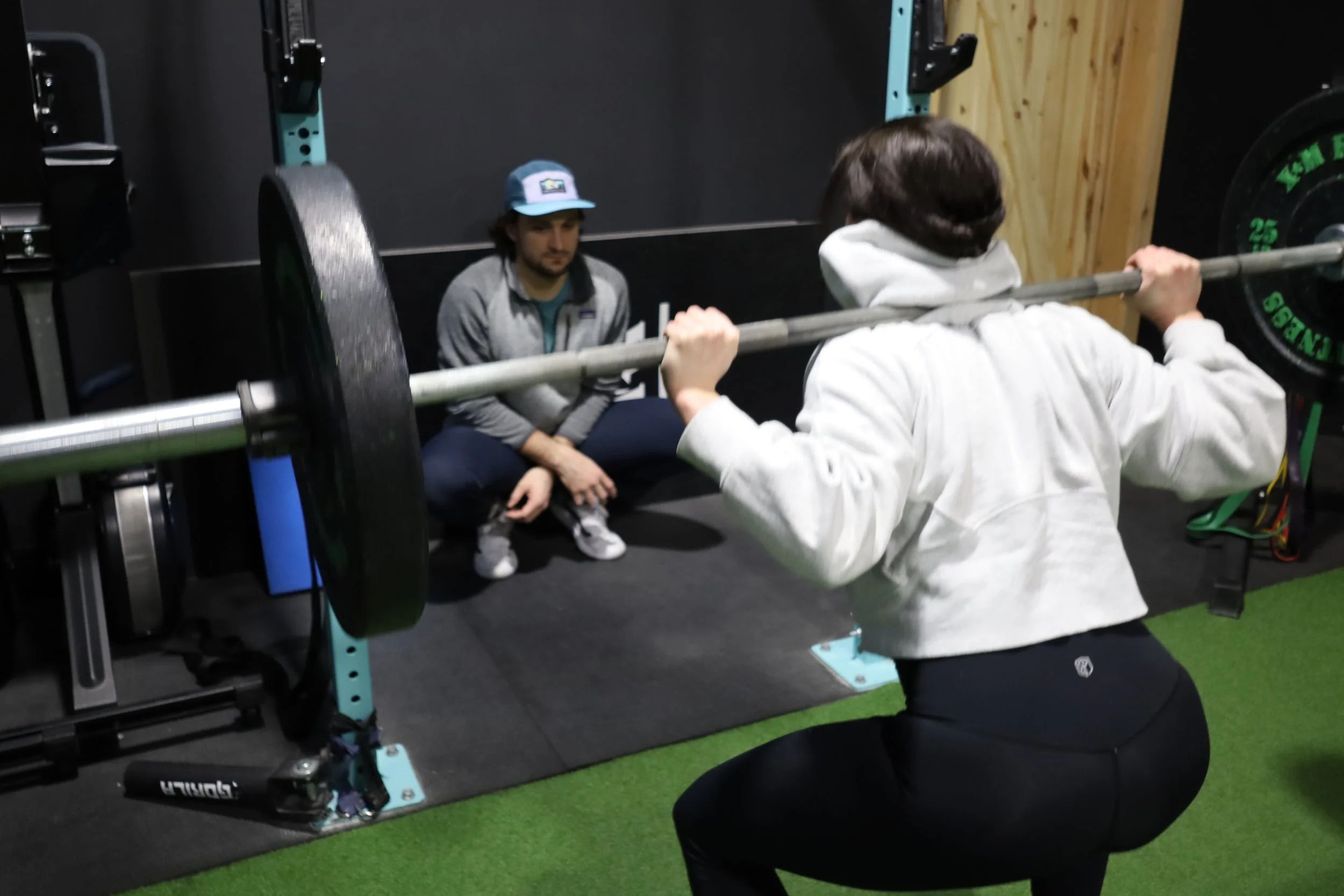
General Timelines for Common Injuries
While every recovery is individual, the following ranges reflect medically accepted expectations for a full, strong return, not just short-term pain relief.
Ankle Sprains and Plantar Fasciitis
Acute ankle sprains often require 4 to 8 weeks before returning to light activity, with 3 to 6 months for full sport-specific demands.
Plantar fasciitis commonly takes 6 to 12 weeks of progressive physiotherapy, and longer if the condition has become chronic.
Rotator Cuff Pain and Elbow Tendinopathy
Rotator cuff issues typically require 8 to 16 weeks for meaningful strength gains, with full overhead return sometimes taking 4 to 6 months.
Tennis elbow and golfer's elbow can range from 6 weeks to several months depending on how long the condition has been present.
Low Back Pain and Sciatica
Acute low back pain often improves within 2 to 6 weeks with the right movement and strengthening plan.
Chronic low back pain or sciatica may take 8 to 16 weeks or more to build the resilience needed for lasting relief.
Runner's Knee and Hamstring Strains
Runner's knee generally responds within 4 to 12 weeks as biomechanics and lower limb strength are addressed.
Hamstring strains can heal in 4 to 6 weeks if mild, but moderate to severe strains in athletes may need 3 to 6 months for a confident return to sprinting.
Postpartum Pelvic Floor Recovery
Initial healing after childbirth typically spans 6 to 12 weeks, but building comprehensive strength around conditions like incontinence, diastasis recti, or prolapse is often an ongoing process of 3 to 6 months or more.Pelvic health physiotherapy at The Movement Physio & Performance supports active women through every stage of this journey.
A Progressive Approach to Lasting Recovery
At The Movement Physio & Performance, the goal is not simply to reduce pain. It is to rebuild a body that can handle the demands you place on it. The approach moves through three progressive phases.
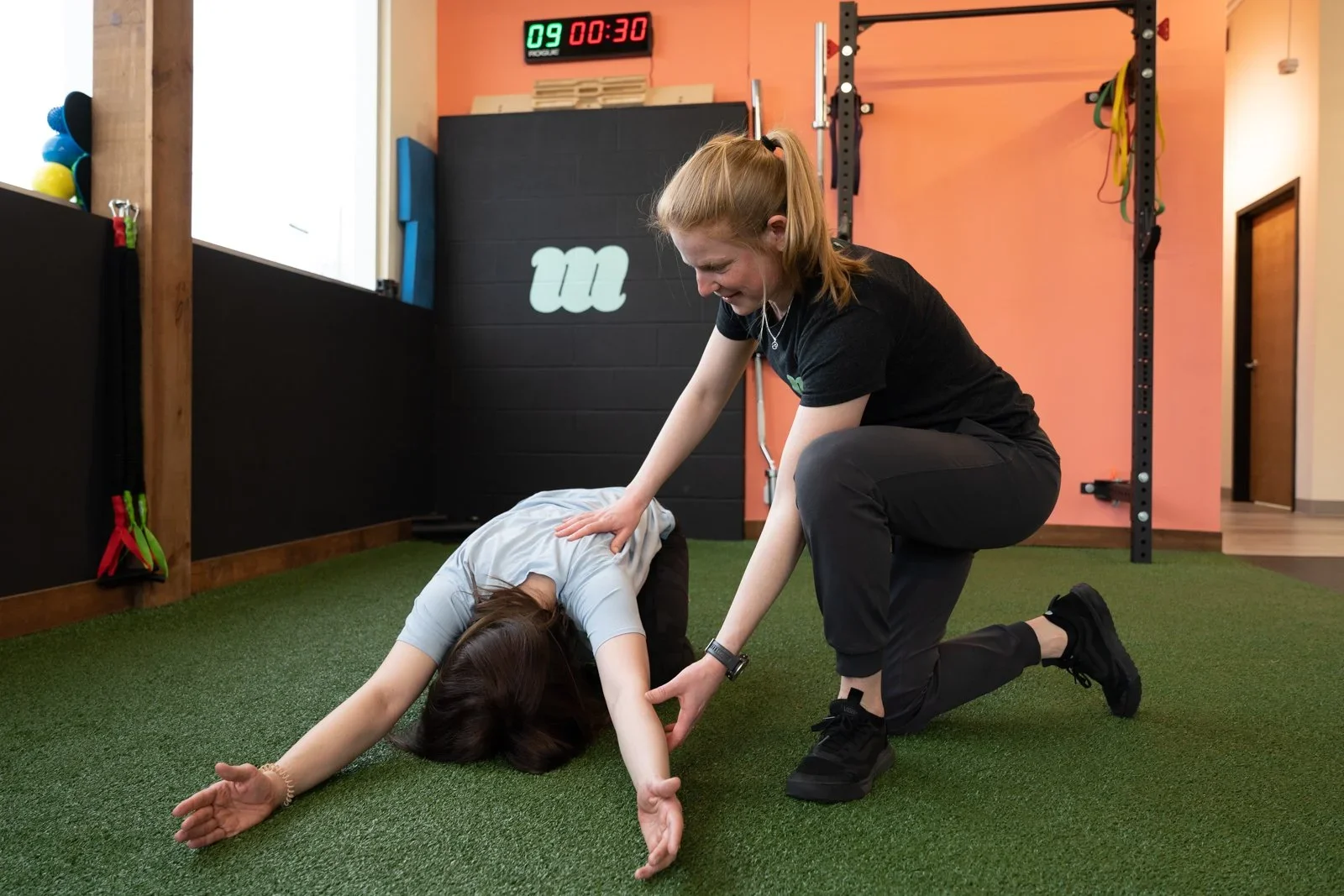
Phase One: Calm It Down
The first priority is reducing pain and inflammation while restoring basic movement. Manual therapy, soft tissue techniques, and gentle therapeutic exercise lay the foundation for everything that follows.
Phase Two: Build It Up
Once irritation settles, the focus shifts to rebuilding strength, endurance, and mobility through progressive training. Techniques like Blood Flow Restriction (BFR) training can be incorporated to accelerate strength gains, particularly when loading capacity is still limited.
Phase Three: Bridge the Gap
The final phase integrates strength into the real demands of your sport or lifestyle. Plyometrics, agility work, and sport-specific conditioning prepare you to return stronger than before, whether that means getting back to CrossFit, running, golf, or everyday activity.
Beyond Feeling Better: Objective Return-to-Sport Testing
Feeling better is not the same as being ready. Return-to-sport testing at The Movement Physio & Performance uses objective measures to assess your strength, power, agility, and endurance against healthy benchmarks and your uninjured side.
This removes the guesswork from your comeback. A running gait analysis or functional movement assessment can further identify any remaining gaps before you return to full training. You will know, not simply hope, that you are truly prepared.
Take the Next Step Toward Recovery
Whether you are an athlete working toward a stronger comeback, an active adult managing a nagging injury, or a new mother returning to running or lifting, The Movement Physio & Performance in Ancaster is here to guide your recovery with a clear, evidence-based physiotherapy plan built specifically for you. Book a free 15-minute discovery call today and get a concrete path back to feeling strong and capable.